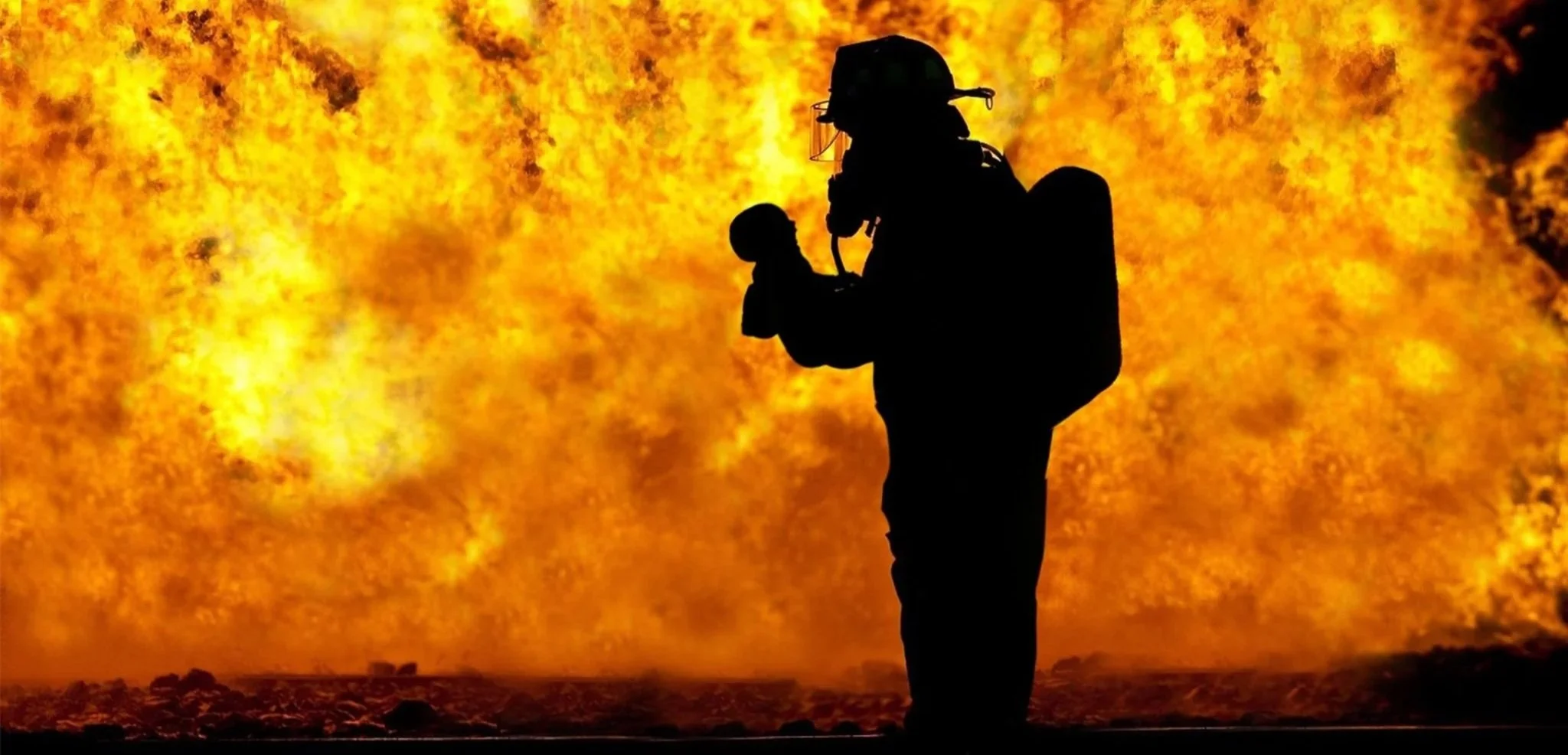
Are you stuck firefighting when you want to be leading?
I met with a leader who was absolutely knackered. Not just tired, properly exhausted and fed up. Demotivated. I’d go as far to say they were done. They were considering jacking it all in.
Their team wasn't performing the way they needed to, and this leader was firefighting every single day. One crisis after another, they never felt able to come up for air.
If you're stuck firefighting instead of leading, and your team isn't performing, you'll know the feeling. You can't get into the strategy space. That place where you drive the business forward rather than just keeping the bloody thing afloat.
They were stuck in the fixing space. Reactive and overwhelmed. Quite frankly, wondering what the hell they were doing wrong.
Why firefighting keeps you stuck
The thing about firefighting mode is that you lose perspective.
You're so busy dealing with the immediate crisis that you can't step back and see the patterns. So of course, you can't spot the root causes either. You end up treating symptoms instead of diagnosing the disease.
This leader knew something was fundamentally broken. They just couldn't see what.
That's where I came in. This is exactly the sort of thing I mean when I say that everything deserves diagnosis.
What a team diagnostic involves
I ran what I call a Team Diagnostic. Think of it like an MOT for your team. A proper check-up to see what's working, what's not, and what needs fixing before the whole thing breaks down.
The process is straightforward.
Step 1: Ask the team
This varies depending on the organisation and the need. In this case, I sent an anonymous questionnaire to everyone, covering three themes. What do you love about working here? What do you hate? And if you had a magic wand, what would you fix?
Sometimes, as here, anonymity matters. When I gather the data, people need to feel safe to tell the truth. The real truth, not the sanitised version they'd give in a meeting with the boss sitting there.
I've also run the "ask the team" stage as an in-person focus group. That works really well for bigger teams, and where there's more time in the prep phase. Boy do you get more data when you can feel the room.
Step 2: Read between the lines
This is where the real work happens.
Anyone can send out a survey. That's the easy bit. The hard part is spotting the patterns and noticing what isn't being said. Proper thematic analysis reveals what's going on beneath the surface.
Your team won't always tell you straight. They'll talk about symptoms while the real problems stay hidden. They'll be diplomatic when what you need is diagnosis.
I took all those responses and connected the dots they couldn't see. That often turns up something you weren't expecting, like a team that looks as though it has a skills gap when the real issue is stress.
Step 3: Figure out what to do about it
Then I sat down with the leader for two hours. A proper workshop where we didn't just talk about problems, we worked out what needed to change.
We built a talent roadmap covering everything from talent strategy and recruitment through to employee engagement and getting the team to do more for themselves.
By the end of those two hours there was clarity. There was a plan. This leader knew exactly what to do differently.
Step 4: Deliver the roadmap
After our workshop, I wrote everything up into a comprehensive report. Not some fluffy document full of generic recommendations. A practical roadmap of what to do differently.
That report gave them a clear diagnosis of what was really wrong, a talent strategy that addressed root causes, a recruitment approach to get the right people into the right roles, an engagement plan to help the team perform, and specific changes they could make straight away.
It became their blueprint. Their roadmap out of the chaos. For many leaders, that roadmap is also the point where a bespoke Team Effectiveness Programme begins, because now you know what to build.
The invisible things became visible
The lightbulb moments are what make this approach so powerful.
There were genuine "oh crap" moments where this leader could suddenly see things going wrong that they'd had no idea about. Issues hiding in plain sight. Patterns they'd become immune to. Behaviours they'd normalised because they'd lived with them so long. At one point they said, "god, that's so obvious now." Wasn't before we chatted, though.
That's the value of an outside view. I'm not caught up in your day-to-day chaos, so I can spot the things you can't. It's a bit like the difference between being inside your own circles of control and being able to step outside them for a proper look.
Some of what we uncovered included communication breakdowns that kept resurfacing the same problems, unclear expectations that left the team guessing what "good" looked like, talent gaps piling pressure onto the wrong people, and engagement that had quietly eroded without any drama.
None of it was visible to the leader. In many ways it was obvious to the team. Once we'd done the analysis, it became crystal clear to the leader too.
From firefighting to strategic
This leader is no longer stuck in firefighting mode. They've got a clear roadmap and they know what needs to change. They can get back to leading instead of just keeping things afloat.
That's what proper diagnosis does. It tells you what's wrong, shows you what was invisible, and gives you a clear path to fix it.
Across 25 years in leadership, in the Royal Navy, in management consultancy, and now with SMEs and professional services firms, I've learned that most leaders can feel something's not right with their team. They just can't see it clearly enough to fix it. They're too close, too busy, too adapted to the dysfunction to diagnose it themselves.
That's my job. I come in from the outside, do the diagnostic work, and help you see what's invisible to you.
So here's a question for you: When did you last step back and properly diagnose what's happening with your team, rather than treating the next symptom?
Sometimes all it takes is an outside view, a proper diagnostic, and a few hours to work out what needs to change.
If you're ready to move from firefighting back to leading, book a free consultation.